Osteoporosis, Osteopenia & Falls Prevention
Recently I had a client who sustained a supracondylar femoral fracture after twisting and falling. As it happens she had advanced osteoporosis and this peaked my interest in optimal care.
Osteoporosis, commonly confused with osteoarthritis, is a thinning of the bones rather than wearing of the joint surfaces.The widely accepted definition as outlined by the US national institute of health panel in 2000 is ” a skeletal disorder characterised by compromised bone strength predisposing a person to a fracture” Compromised bone strength is based on a measure of bone mineral density (BMD), which is undertaken via dual energy X-Ray absorptiometry (DEXA). A BMD T score of -2.5 or more below the mean for young adult Caucasian women constitutes osteoporosis. A BMD T score that falls between -1 and -2.5 is classed as osteopenia. (low bone mass)
Low bone density is largely present in the older population (>50yoa) and in women more than men. But what causes this decline ? Bone tissue is constantly being resorbed and replaced throughout ones lifespan. Peak bone mass typically occurs at age 20 after which bone resorption outstrips bone production. Several medical factors can influence this process contributing to reduced BMD including prolonged negative calcium balance, hormonal balance, sedentary lifestyle and prolonged use of some medications/alcohol.
So what can be done to optimise BMD and prevent the risk of fractures ?
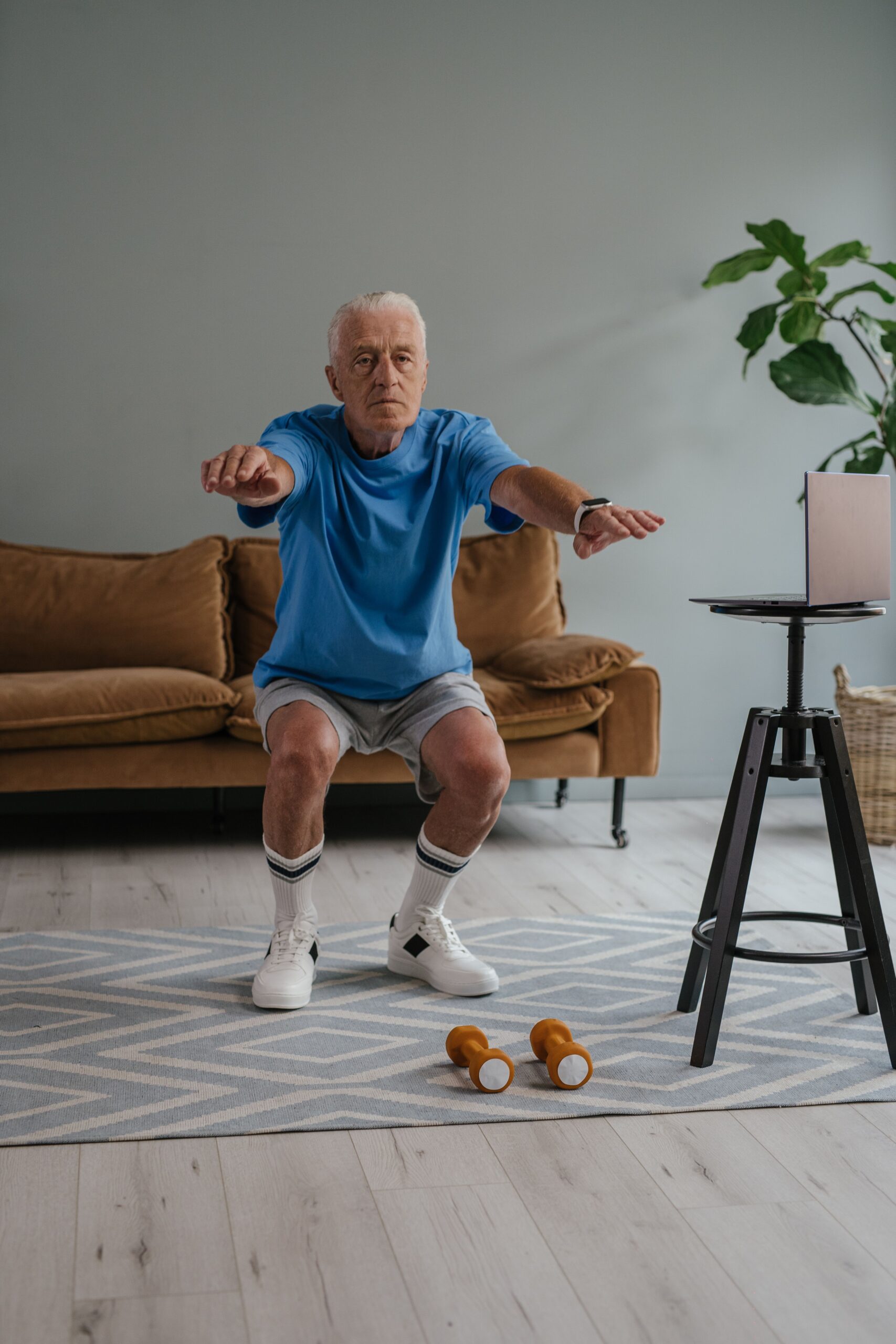
Medication can be prescribed by an endocrinologist to optimise BMD and consequently reduce fracture risk. Fractures can occur from relatively innocuous incidents, even in the osteopenic, but most commonly after a fall. To prevent falls and fractures specific exercise is recommended by leading authorities. Not all exercise is equal in the management of osteoporosis. Rapid dynamic loading is required to induce high bone strain. This is best in short bouts and diversified to stimulate an adaptive skeletal response. Also high intensity resistance interval training even in frail individuals has been found to reduce falls and fractures when conducted a minimum of twice a week. Finally some nutritional requirements can be addressed to optimise bone health such as vitamin D and calcium levels.
If you’re interested in more information about managing osteopenia, osteoporosis or falls prevention book a consult with our allied health team comprising physiotherapists , exercise physiologists and dietitians for tailored care. For generic info checkout our workshop schedule for a session on osteoporosis. We will also be commencing exercise classes for osteopenia and osteoporotic sufferers applying evidence based prescription to prevent fractures and falls. Reach out if you re interested in joining!! Participation requires a personalised assessment.
T:0408662293 E: info@shellharbourhealth.com.au